Flooring and tile in Miami and South Florida
Hardwood, LVP and tile, laid on a subfloor that's been leveled and checked first, with wood given time to acclimate to South Florida humidity. Free written estimates for homes, condos and commercial spaces.
Flooring is one of those jobs where the part nobody sees decides whether the part everybody sees holds up. A subfloor that's out of level, a wood floor installed without time to adjust to the room, or underlayment that skips a condo association's sound rules will all show up as a problem months after the crew has left. We start every flooring job by checking what's underneath before a single plank or tile goes down.
We install hardwood, luxury vinyl plank and tile across houses, condos and commercial spaces, and we handle the prep work, the layout and the finish trim in one visit rather than splitting the job between separate subs.
Step by step
Walkthrough and material selection
We measure the space, talk through hardwood, LVP or tile options, and check the existing floor and subfloor condition.
Removing old flooring, if needed
Existing flooring comes out when it won't give the new material a flat, reliable base to sit on.
Leveling and prepping the subfloor
We check the subfloor with a level and correct low or high spots before anything gets installed, since flooring laid over an uneven subfloor never sits right.
Acclimating wood flooring
Wood material sits in the room for a set period before installation so it adjusts to South Florida's humidity ahead of time instead of after it's already down.
Underlayment and installation
Sound rated underlayment goes down where a condo association requires it, then the flooring or tile is installed to layout.
Trim, grout and final cleanup
Transition strips and baseboards are set, tile gets grouted, and the space is cleaned before we walk it with you.
Subfloor, acclimation and condo rules
A level subfloor is the foundation of every flooring job, and it's the step most likely to get skipped by a rushed installer. Dips and high spots don't disappear once flooring goes over them. They show up later as squeaks, hollow spots, gaps between planks or grout lines that crack, and correcting the problem after installation means tearing the new flooring back up.
Wood flooring moves with humidity, expanding and contracting as moisture in the air changes. South Florida runs more humid than the climate most flooring is milled and packaged for, so we let wood material acclimate in the room, at room conditions, for a set period before it's installed. Skipping that step is a common reason wood floors gap in the dry season or buckle during the wet one.
Condo associations in this market often have their own flooring rules, most commonly a requirement for sound rated underlayment under hard flooring like LVP or tile to limit noise reaching the unit below, and sometimes a requirement to submit the flooring plan for approval before work starts. We check what your building requires and install underlayment that meets it, rather than finding out about the rule after the floor is already down.
What affects the cost
We don't post prices online because every floor and every material is different. These are the factors that actually move the number, and they're the same things we walk through in person before writing your estimate.
- Material choiceHardwood, LVP and tile each carry different material and labor costs per square foot.
- Square footageMore area means more material, more layout work and more time.
- Subfloor conditionA subfloor that needs leveling or repair adds work before installation can start.
- Removal of existing flooringTearing out old flooring and disposing of it is separate labor from installing the new material.
- Underlayment requirementsSound rated underlayment required by a condo association adds material and labor.
- Layout complexityDiagonal patterns, herringbone tile and multiple rooms with transitions take more time than a single open room.
- Access in high risesCondo buildings can add elevator booking, certificate of insurance requests, or set work hours that affect scheduling.
When to call someone in
Click together LVP in a small, simple room with a level subfloor is within reach for a handy homeowner. Tile work, hardwood installation, any subfloor that needs leveling first, or a condo job with underlayment and association rules to meet is where we'd tell you to call a pro. A flooring mistake is expensive to undo, since fixing an uneven install usually means removing material that was just paid for and installed.
Flooring and tile from real jobs
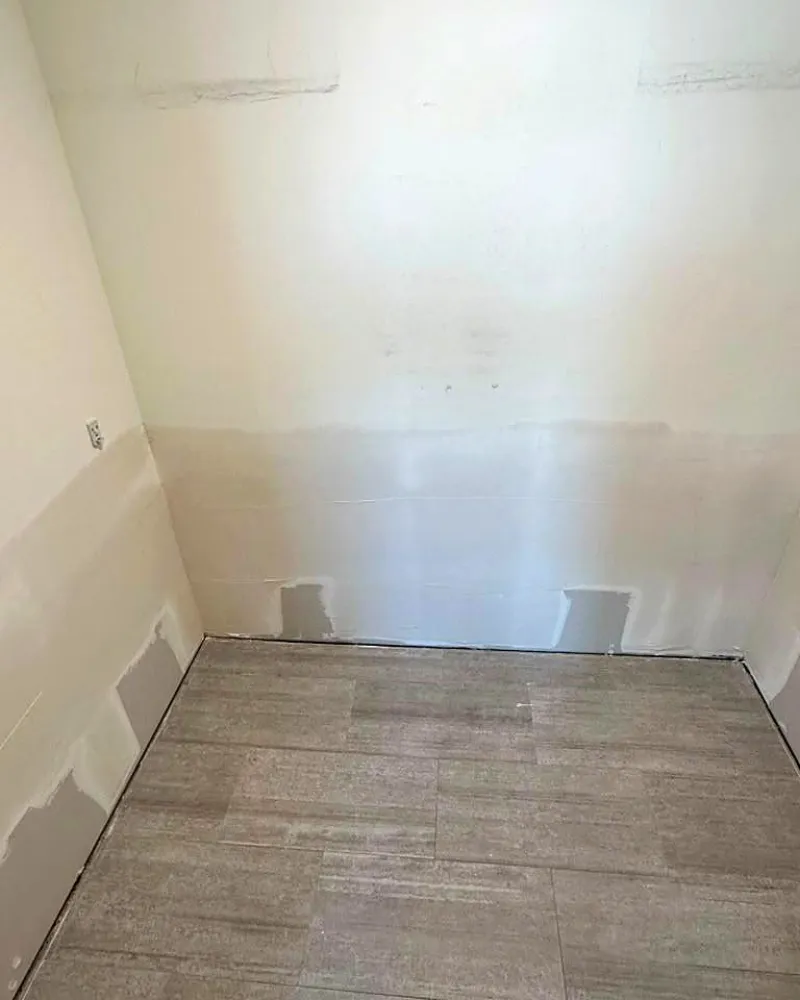
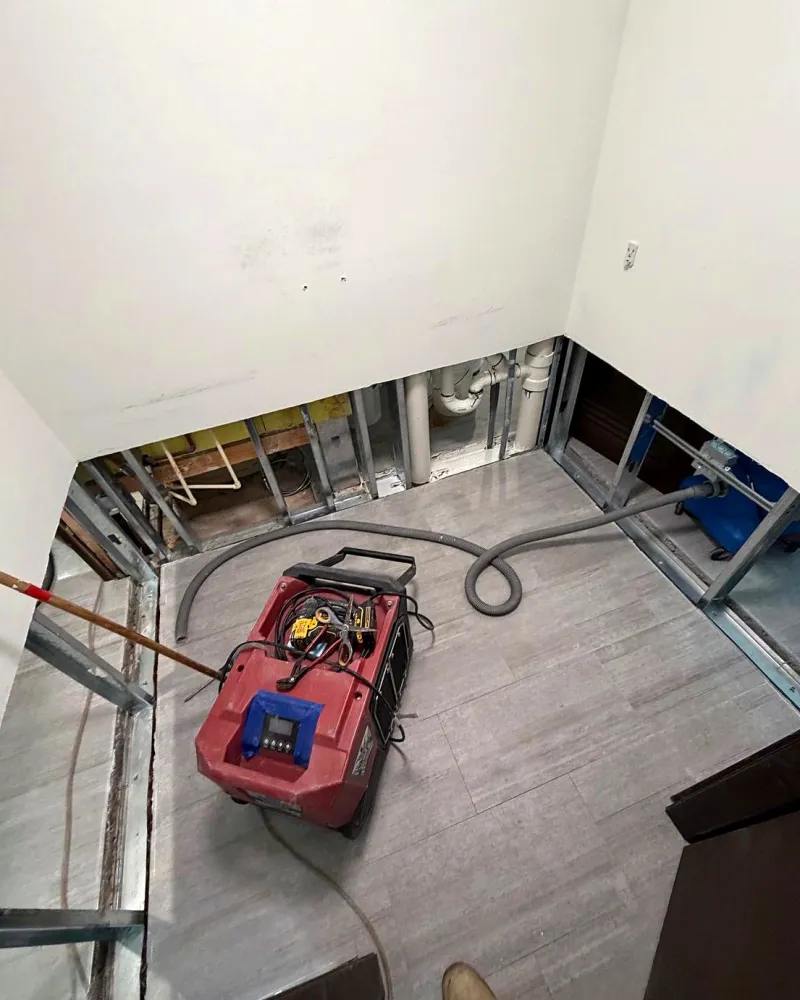
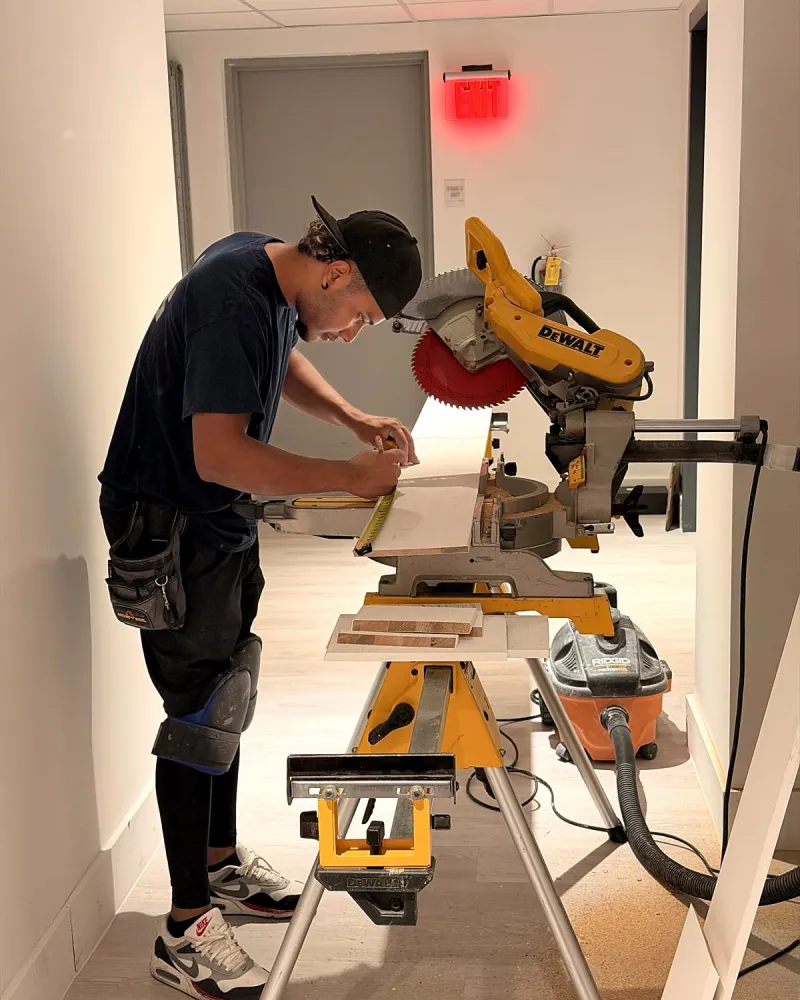
Flooring and tile across South Florida
We install flooring and tile in homes and condo buildings throughout the following areas.
Flooring and tile, answered
Why does the subfloor need to be leveled before flooring goes down?
A subfloor with dips or high spots telegraphs through hard flooring as squeaks, gaps or visible waves, and it can void a flooring manufacturer's warranty. We check the subfloor with a level before installation and correct any low or high areas first.
What does acclimation mean for wood flooring, and is it really necessary?
Wood flooring expands and contracts with humidity, and South Florida's climate is more humid than the climate most flooring is manufactured in mind for. Acclimation means letting the material sit in the room for a set period before installation so it adjusts to local humidity, which reduces gapping and buckling after it's installed.
Does my condo association have rules about flooring?
Many condo associations require sound rated underlayment beneath hard flooring like LVP or tile to limit noise transfer to the unit below, and some require approval of the flooring plan before work starts. We check your association's rules and install underlayment that meets what's required.
What's the difference between LVP and tile for a bathroom or kitchen?
Both handle moisture well when installed correctly. Tile is more resistant to scratches and heat and reads as a more permanent finish, while LVP installs faster, feels warmer underfoot and is often the more budget friendly choice for the same footprint.
Can you install flooring over existing tile or hardwood?
Sometimes, depending on the condition and height of the existing floor and the new material's requirements. In many cases removing the old flooring first gives a flatter, more reliable base, and we'll tell you which approach fits your specific floor during the walkthrough.
How long does a flooring installation take?
A single room can often be finished in a day or two once the subfloor is ready. Whole condo or house installations, especially with wood acclimation time built in, run longer, and we lay out a timeline as part of the written quote.
Often paired with this job
Free estimate for flooring and tile
Tell us about the space and the material you're considering, and we'll follow up to schedule a walkthrough.
754.900.8247